
Celiac Disease Treatment
Celiac Disease is a chronic autoimmune disorder in which the immune system reacts abnormally to gluten — a protein found in wheat, barley, and rye.
What Is Celiac Disease?
Celiac Disease is a chronic autoimmune disorder in which the immune system reacts abnormally to gluten — a protein found in wheat, barley, and rye.
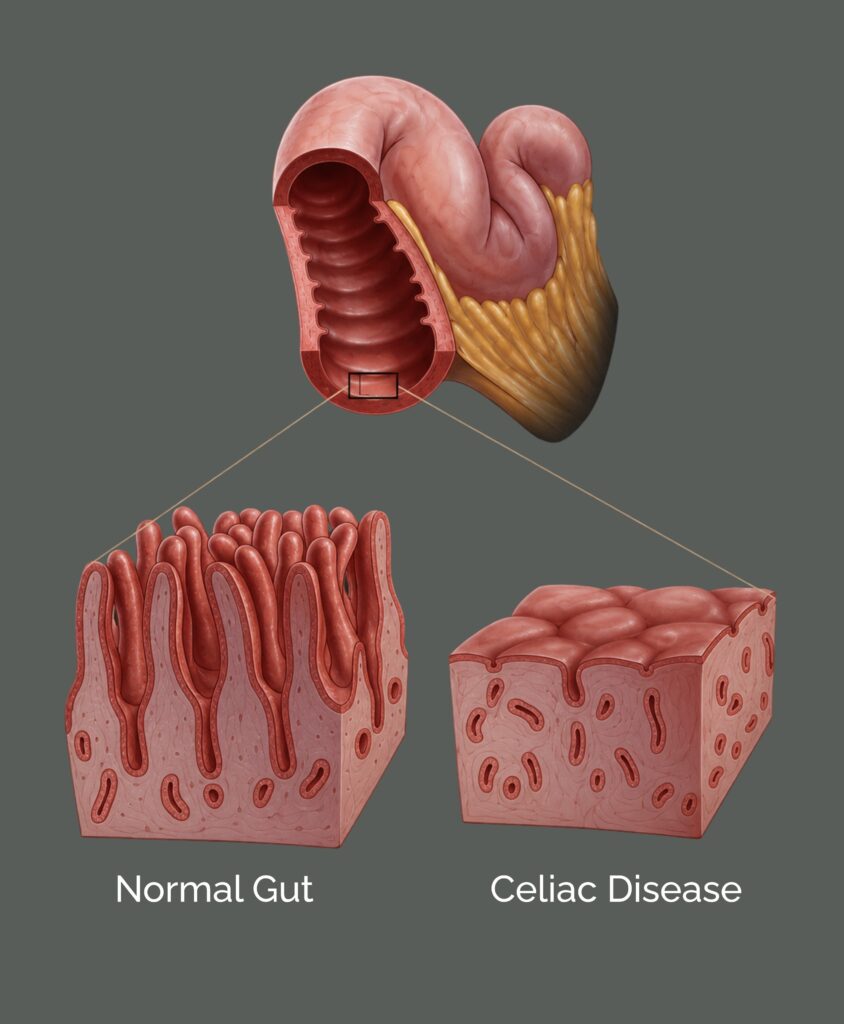
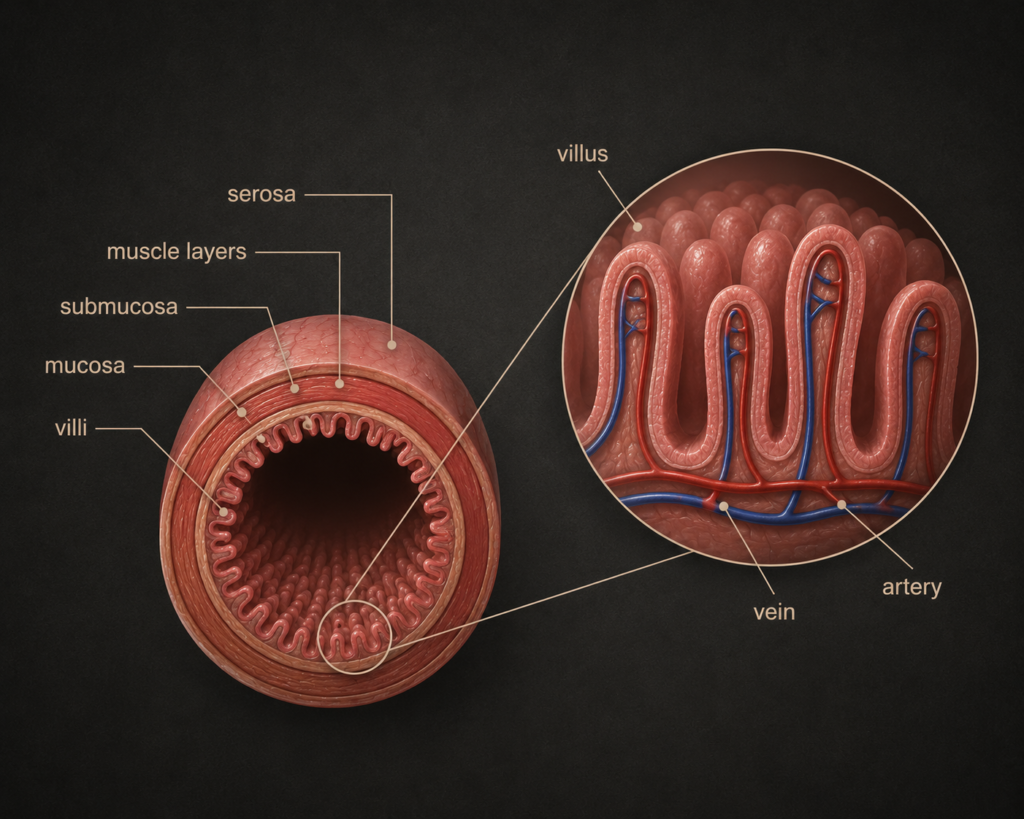
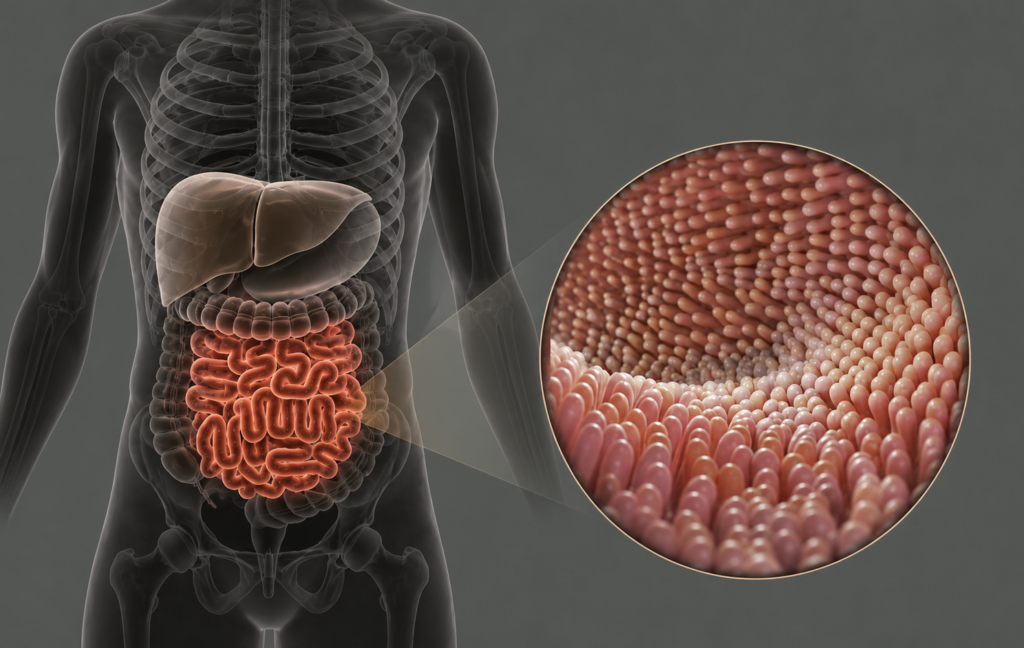
When individuals with celiac disease consume gluten, the immune system attacks the lining of the small intestine, causing inflammation and damage to the intestinal villi, which are responsible for absorbing nutrients.
Over time, this can lead to nutritional deficiencies, digestive problems, fatigue, and other health complications if left untreated.
Celiac disease can affect both children and adults and may present with digestive as well as non-digestive symptoms.
Causes of Celiac Disease
Celiac disease is an autoimmune condition that develops due to a combination of:
- Genetic predisposition
- Immune system dysfunction
- Environmental factors
Individuals with a family history of celiac disease or autoimmune disorders may have a higher risk of developing the condition.
Symptoms of Celiac Disease
Symptoms can vary significantly from person to person. Some individuals experience severe digestive symptoms, while others may have subtle or non-digestive signs.
Common symptoms include:
Digestive Symptoms
- Chronic diarrhea
- Constipation
- Abdominal pain or cramping
- Bloating
- Excessive gas
- Nausea or vomiting
- Indigestion
- Weight loss
Non-Digestive Symptoms
- Chronic fatigue
- Iron deficiency anemia
- Weakness
- Headaches
- Skin rash
- Joint pain
- Bone weakness or osteoporosis
- Mood changes or irritability
- Vitamin deficiencies
In children, celiac disease may also affect:
- Growth and development
- Appetite
- Weight gain
- Behavioral changes
Complications of Untreated Celiac Disease
If left untreated, celiac disease may lead to:
- Malnutrition
- Severe vitamin deficiencies
- Osteoporosis
- Fertility problems
- Neurological complications
- Increased risk of certain intestinal disorders
- Chronic intestinal inflammation
Early diagnosis and proper dietary management are essential to prevent long-term complications.
How Is Celiac Disease Diagnosed?
At Swift Day Surgery Center, our gastroenterology specialists provide comprehensive evaluation and accurate diagnosis for celiac disease.
Diagnostic assessment may include:
Blood Tests
Specific blood tests are used to detect antibodies associated with celiac disease.
Upper GI Endoscopy with Biopsy
An upper GI endoscopy may be recommended to evaluate the small intestine and obtain tissue samples (biopsies).
The biopsy helps confirm intestinal damage caused by gluten exposure.
Medical & Dietary History
Our specialists will review:
- Symptoms
- Family history
- Dietary patterns
- Existing autoimmune conditions
Importance of Early Diagnosis
Many patients live with symptoms for years without realizing they may have celiac disease.
Early diagnosis helps:
- Prevent intestinal damage
- Improve nutrient absorption
- Relieve symptoms
- Reduce long-term health risks
- Improve overall quality of life
Treatment for Celiac Disease
Gluten-Free Diet
The primary treatment for celiac disease is a strict lifelong gluten-free diet.
This means avoiding:
- Wheat
- Barley
- Rye
- Foods containing gluten ingredients
Once gluten is eliminated from the diet, the intestine gradually heals and symptoms improve.
Nutritional Support
Some patients may require:
- Vitamin supplementation
- Iron replacement
- Nutritional counseling
- Dietary planning
Our specialists and nutrition team help patients safely transition to a healthy gluten-free lifestyle.
Follow-Up & Monitoring
Regular follow-up is important to:
- Monitor healing
- Assess nutritional status
- Ensure symptom improvement
- Prevent complications
Living with Celiac Disease
With proper management, most individuals with celiac disease can live healthy and symptom-free lives.
Lifestyle adjustments may include:
- Reading food labels carefully
- Avoiding cross-contamination
- Following a balanced gluten-free diet
- Regular medical follow-up
Education and awareness play a major role in long-term disease management.
Benefits of Celiac Disease Care at Swift
- Expert gastroenterology specialists
- Comprehensive digestive evaluations
- Advanced endoscopy services
- Personalized treatment plans
- Nutritional guidance and support
- Long-term disease monitoring
- Patient-centered care
Why Choose Swift Day Surgery Center?
Experienced Gastroenterology Team
Our specialists are experienced in diagnosing and managing autoimmune digestive disorders, including celiac disease.
Advanced Diagnostic Technology
We offer:
- High-definition endoscopy
- Biopsy services
- Comprehensive gastrointestinal assessments
- Accurate laboratory evaluations
Personalized Patient Care
We focus on:
- Accurate diagnosis
- Individualized dietary support
- Long-term symptom control
- Improving quality of life
Modern Medical Facilities
Swift Day Surgery Center provides state-of-the-art facilities designed to ensure patient comfort, safety, and high-quality care.
FREQUENTLY ASKED QUESTIONS
What foods contain gluten?
Gluten is commonly found in wheat, barley, rye, bread, pasta, cereals, baked goods, and some processed foods.
Can celiac disease be cured?
There is currently no cure for celiac disease, but symptoms can be completely controlled with a strict gluten-free diet.
Is celiac disease serious?
Yes. If left untreated, celiac disease can lead to nutritional deficiencies and long-term health complications.
Can celiac disease develop later in life?
Yes. Celiac disease can develop at any age, even in adulthood.
Is endoscopy necessary for diagnosis?
In many cases, an upper GI endoscopy with biopsy is recommended to confirm the diagnosis.
How long does it take to feel better after starting a gluten-free diet?
Many patients notice improvement within weeks, although complete intestinal healing may take several months.
Take the Next Step
If you are experiencing chronic digestive symptoms such as bloating, diarrhea, abdominal discomfort, fatigue, or unexplained nutritional deficiencies, our specialists are here to help.
At Swift Day Surgery Center, we provide comprehensive diagnosis and personalized treatment for celiac disease using advanced gastroenterology technology and patient-focused care.
Book your consultation today and take the first step toward better digestive health and long-term wellness.