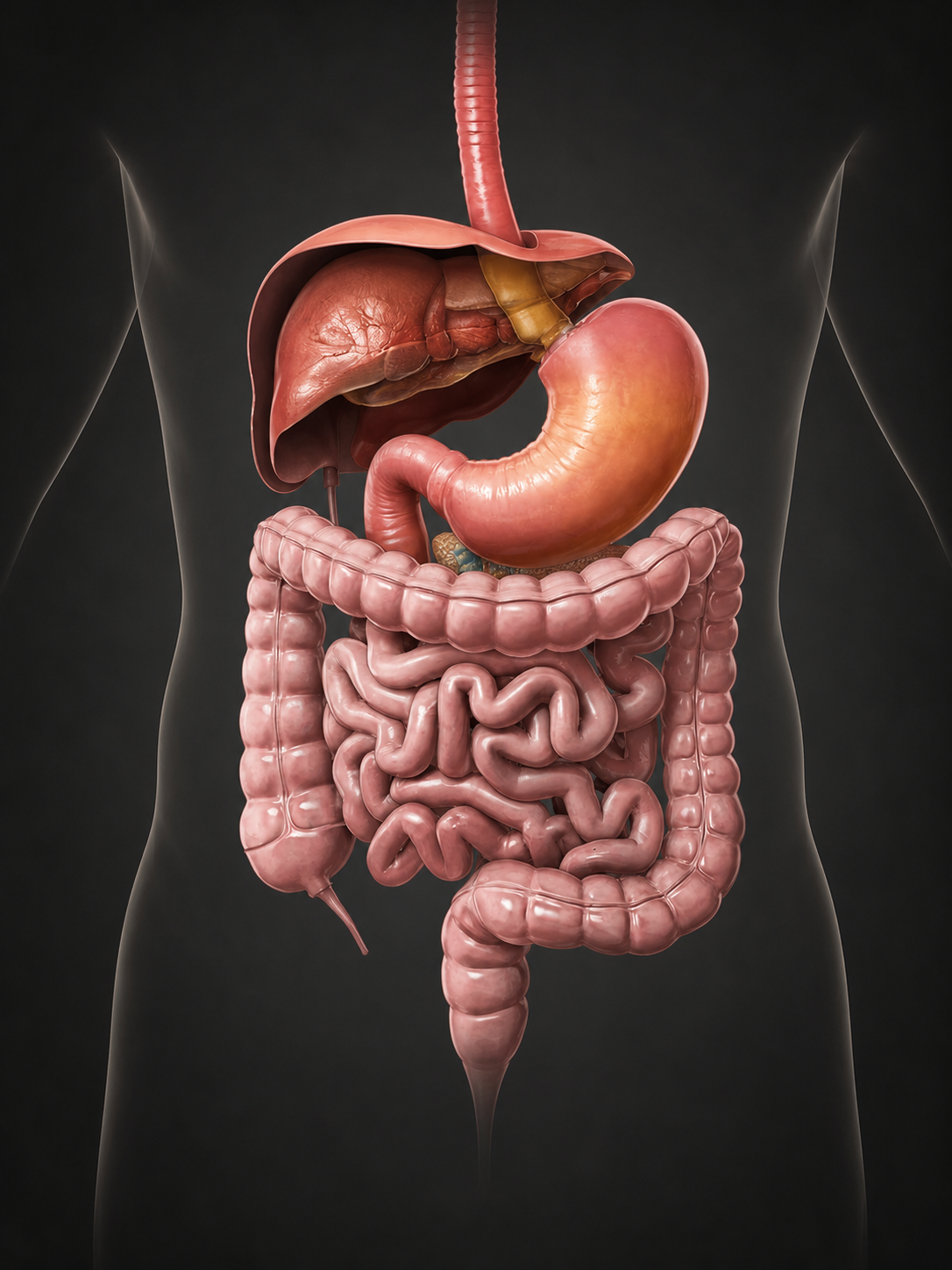
Our department, known for the best gastroenterology in Dubai, is dedicated to providing comprehensive care for a wide range of digestive and liver disorders.
Our specialists provide comprehensive evaluation and management for:
Acid Reflux (GERD) – chronic heartburn or regurgitation due to stomach acid flowing back into the esophagus.
Gastritis & Peptic Ulcers – inflammation or sores in the stomach lining, often caused by bacteria, stress, or medications.
Irritable Bowel Syndrome (IBS) – abdominal pain, bloating, and irregular bowel habits (diarrhea, constipation, or both).
Inflammatory Bowel Disease (IBD) – chronic inflammation such as Crohn’s disease or ulcerative colitis.
Bloating and Indigestion – discomfort after meals, often related to food intolerance or slow digestion.
Liver & Gallbladder Disorders – including fatty liver, hepatitis, and gallstones.
Colorectal Screening – for early detection of polyps, bleeding, and cancerous changes.
Common Gastrointestinal Conditions We Treat
Our specialists provide comprehensive evaluation and management for:
Acid Reflux (GERD) – chronic heartburn or regurgitation due to stomach acid flowing back into the esophagus.
Gastritis & Peptic Ulcers – inflammation or sores in the stomach lining, often caused by bacteria, stress, or medications.
Irritable Bowel Syndrome (IBS) – abdominal pain, bloating, and irregular bowel habits (diarrhea, constipation, or both).
Inflammatory Bowel Disease (IBD) – chronic inflammation such as Crohn’s disease or ulcerative colitis.
Bloating and Indigestion – discomfort after meals, often related to food intolerance or slow digestion.
Liver & Gallbladder Disorders – including fatty liver, hepatitis, and gallstones.
Colorectal Screening – for early detection of polyps, bleeding, and cancerous changes.
Diagnostic Services
At Swift, we combine medical expertise with advanced technology to deliver precise diagnosis and tailored treatments. Our diagnostic tools include:
Gastroscopy (Upper Endoscopy) – to examine the esophagus, stomach, and duodenum.
Colonoscopy – for full visualization of the colon and rectum.
Abdominal Ultrasound – non-invasive imaging for liver, gallbladder, and pancreas evaluation.
Breath Tests – for lactose intolerance, H. pylori, and bacterial overgrowth detection.
Lab & Stool Tests – for infection, inflammation, and enzyme activity.
Diagnostic Services
At Swift, we combine medical expertise with advanced technology to deliver precise diagnosis and tailored treatments. Our diagnostic tools include:
Gastroscopy (Upper Endoscopy) – to examine the esophagus, stomach, and duodenum.
Colonoscopy – for full visualization of the colon and rectum.
Abdominal Ultrasound – non-invasive imaging for liver, gallbladder, and pancreas evaluation.
Breath Tests – for lactose intolerance, H. pylori, and bacterial overgrowth detection.
Lab & Stool Tests – for infection, inflammation, and enzyme activity.
Colonoscopy Treatment
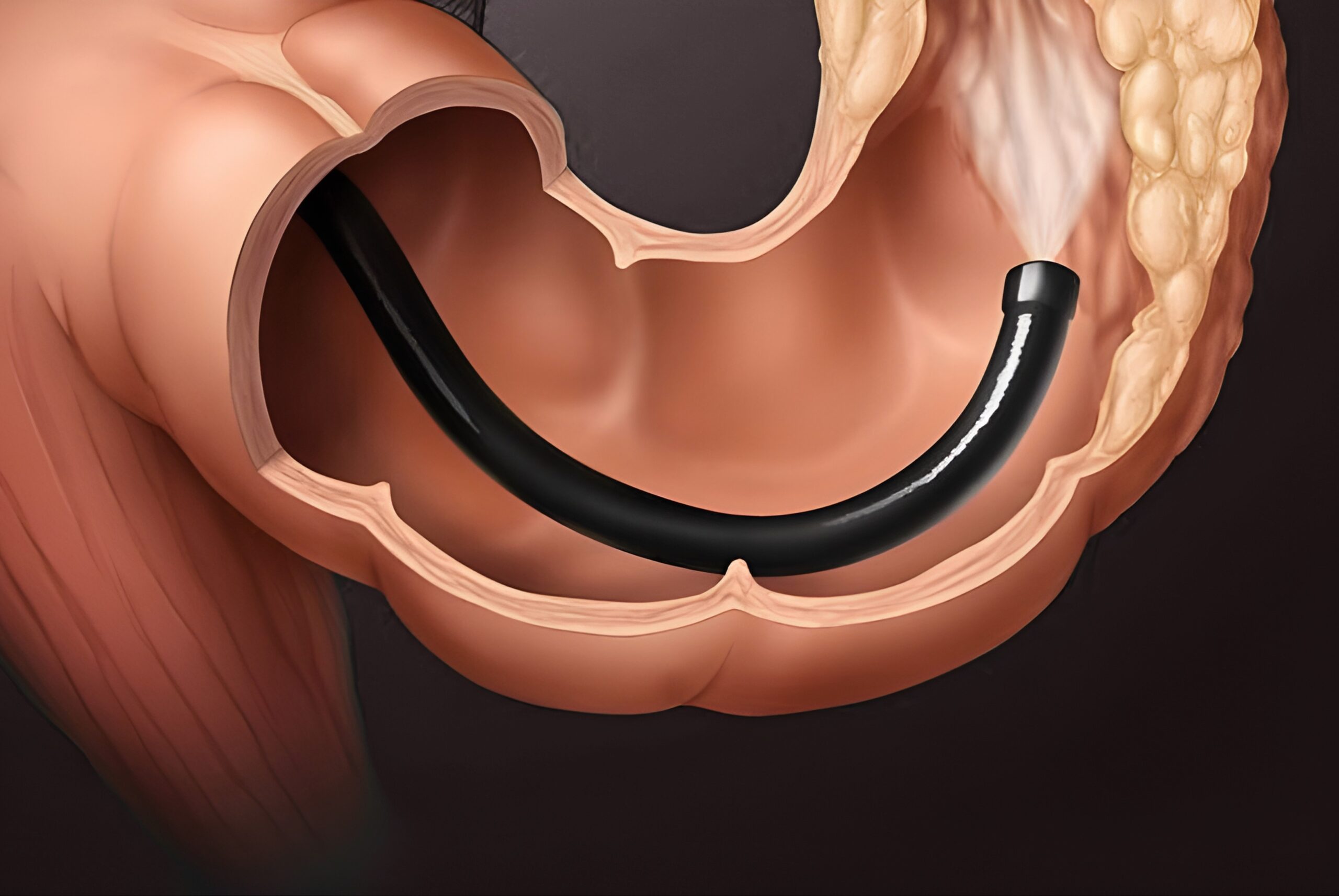
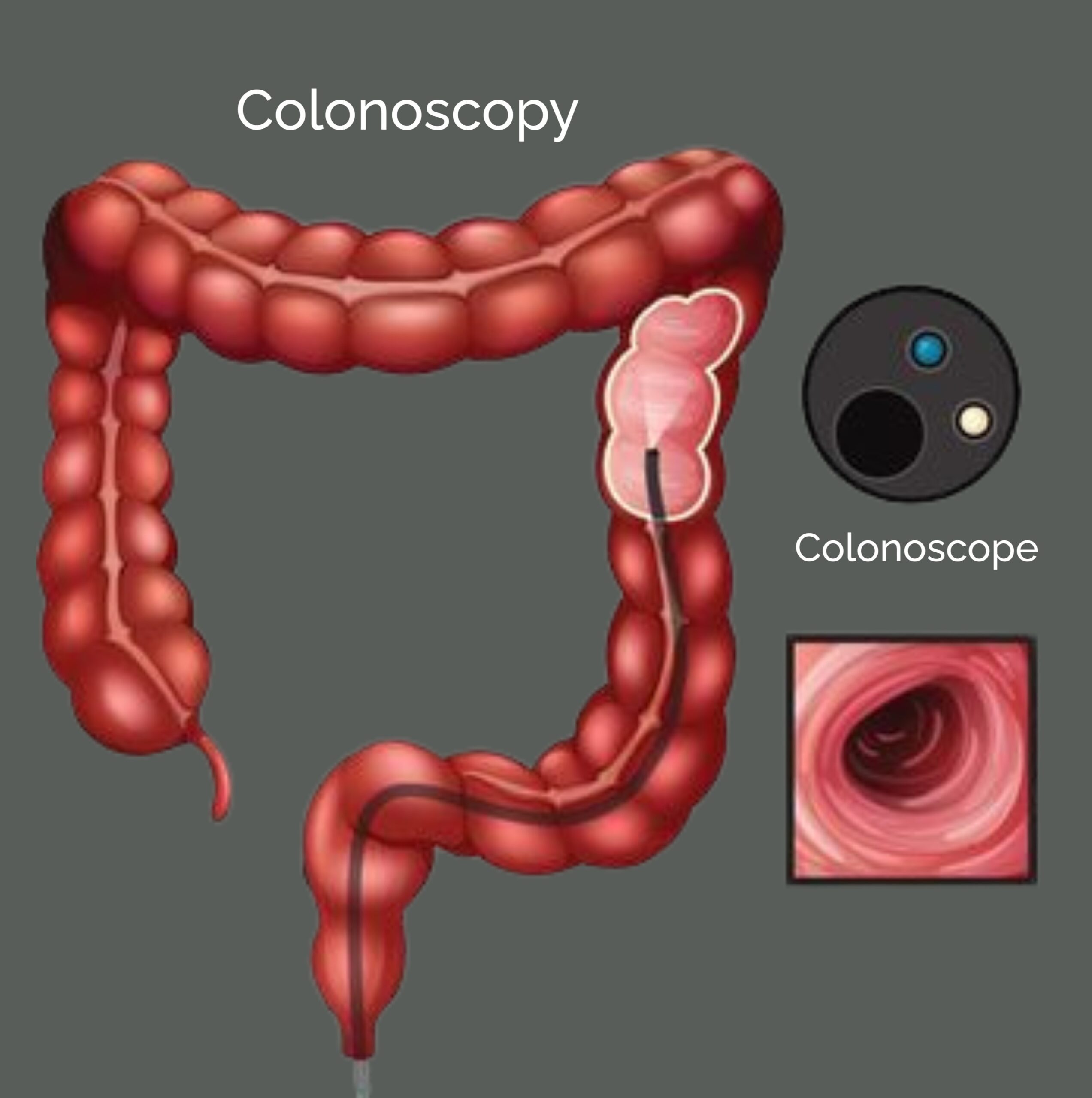
A colonoscopy is a specialized diagnostic procedure used to examine the inner lining of the large intestine (colon and rectum) using a thin, flexible tube equipped with a high-definition camera called a colonoscope.
The procedure allows gastroenterologists to detect abnormalities within the colon and helps in the early diagnosis and prevention of serious gastrointestinal conditions.
A colonoscopy is considered one of the most effective tools for colorectal cancer screening and prevention.
Upper GI Endoscopy, also known as Gastroscopy, is a minimally invasive diagnostic procedure used to examine the esophagus, stomach, and upper part of the small intestine (duodenum).
The procedure is performed using a thin, flexible tube equipped with a high-definition camera called an endoscope, allowing the gastroenterologist to visualize the digestive tract in real time and diagnose a wide range of gastrointestinal conditions.
Endoscopy is considered one of the most accurate and effective methods for evaluating upper digestive symptoms and detecting abnormalities early.
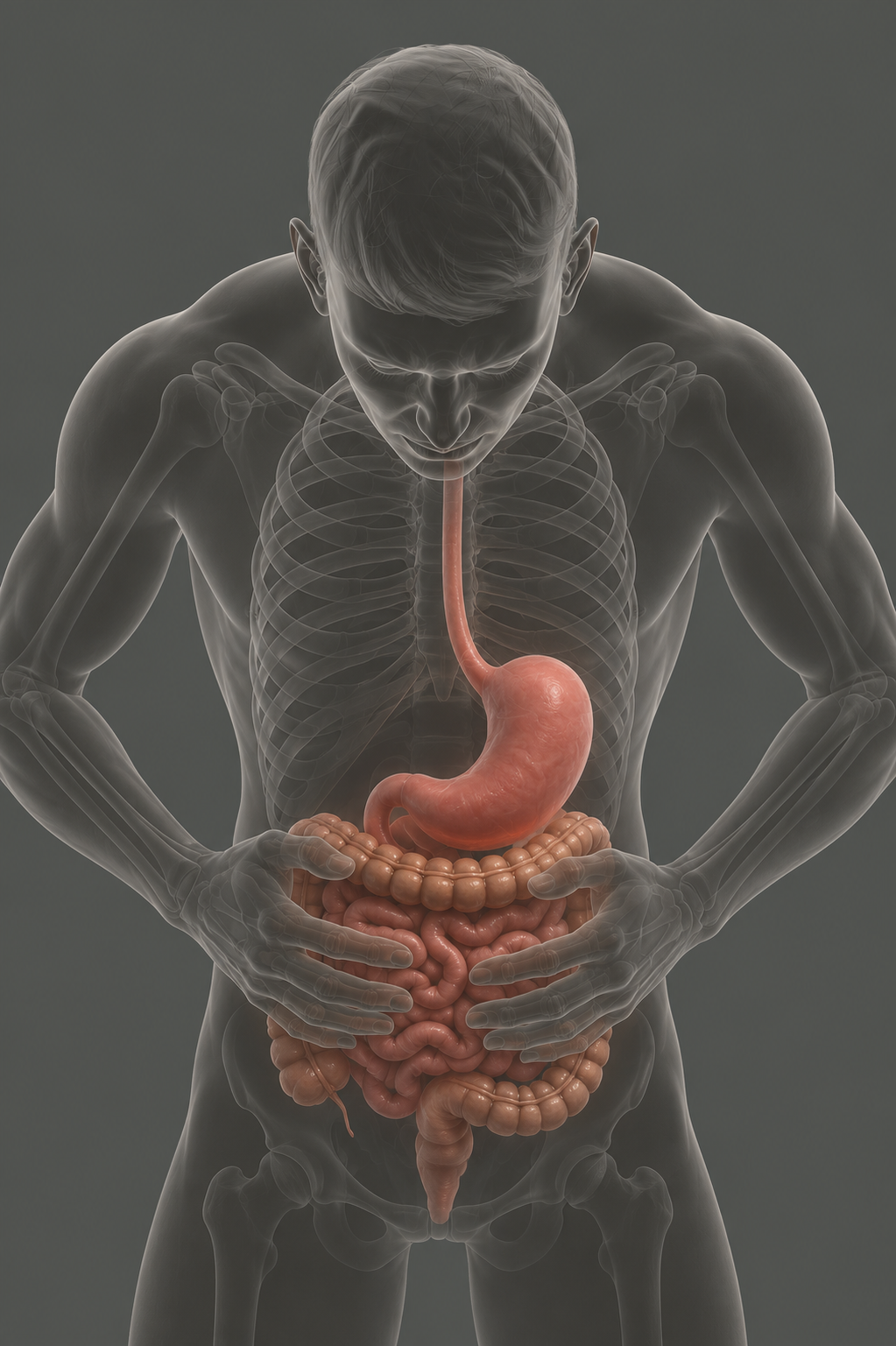
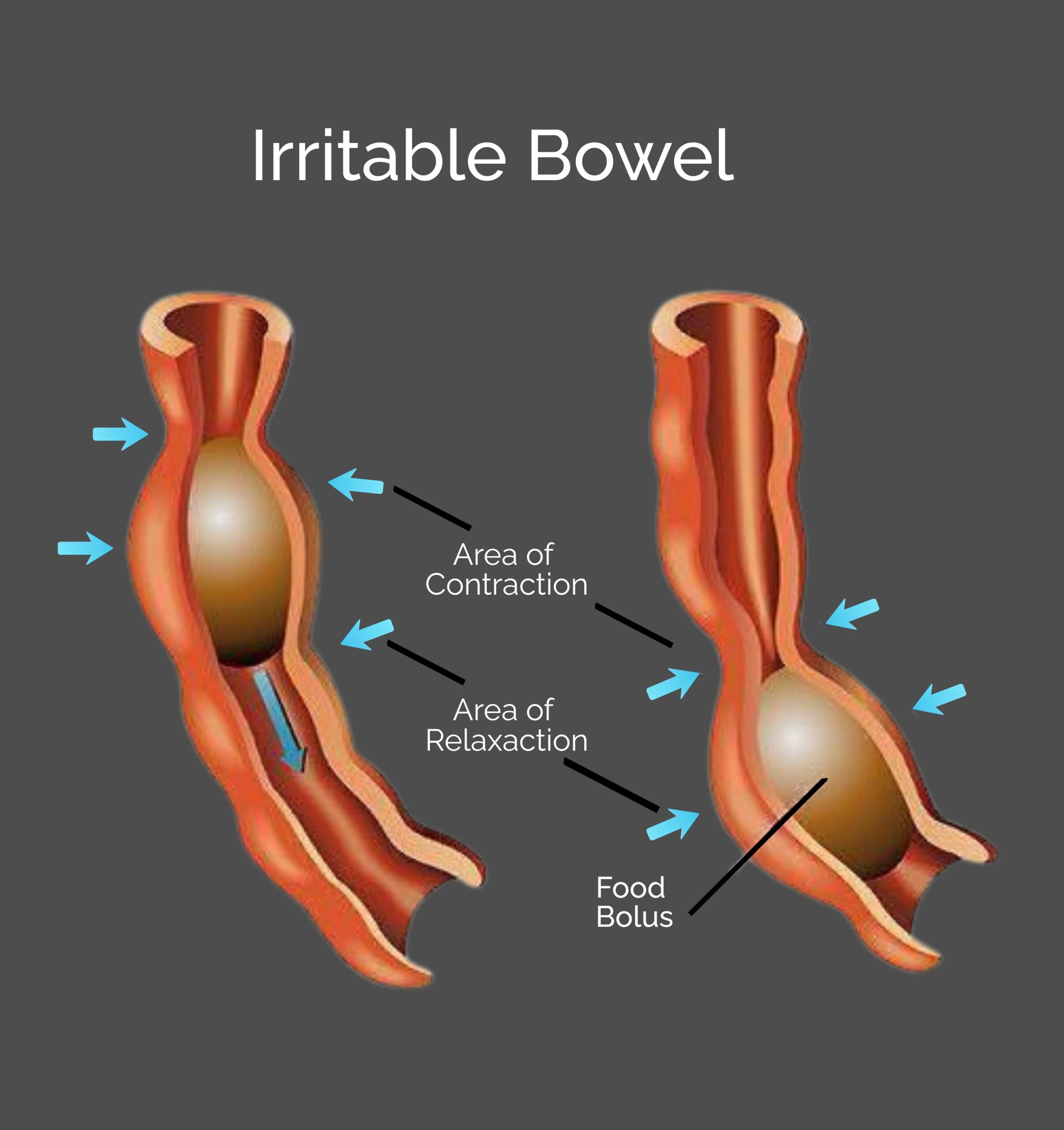
Irritable Bowel Syndrome (IBS) is a common functional digestive disorder that affects the large intestine and impacts how the bowel functions. It is a long-term condition that can cause recurring abdominal discomfort and changes in bowel habits.
Although IBS does not cause permanent damage to the intestines, it can significantly affect quality of life, daily comfort, eating habits, and emotional well-being.
IBS is a very common condition affecting both men and women and is often associated with stress, diet, lifestyle, and gut sensitivity.
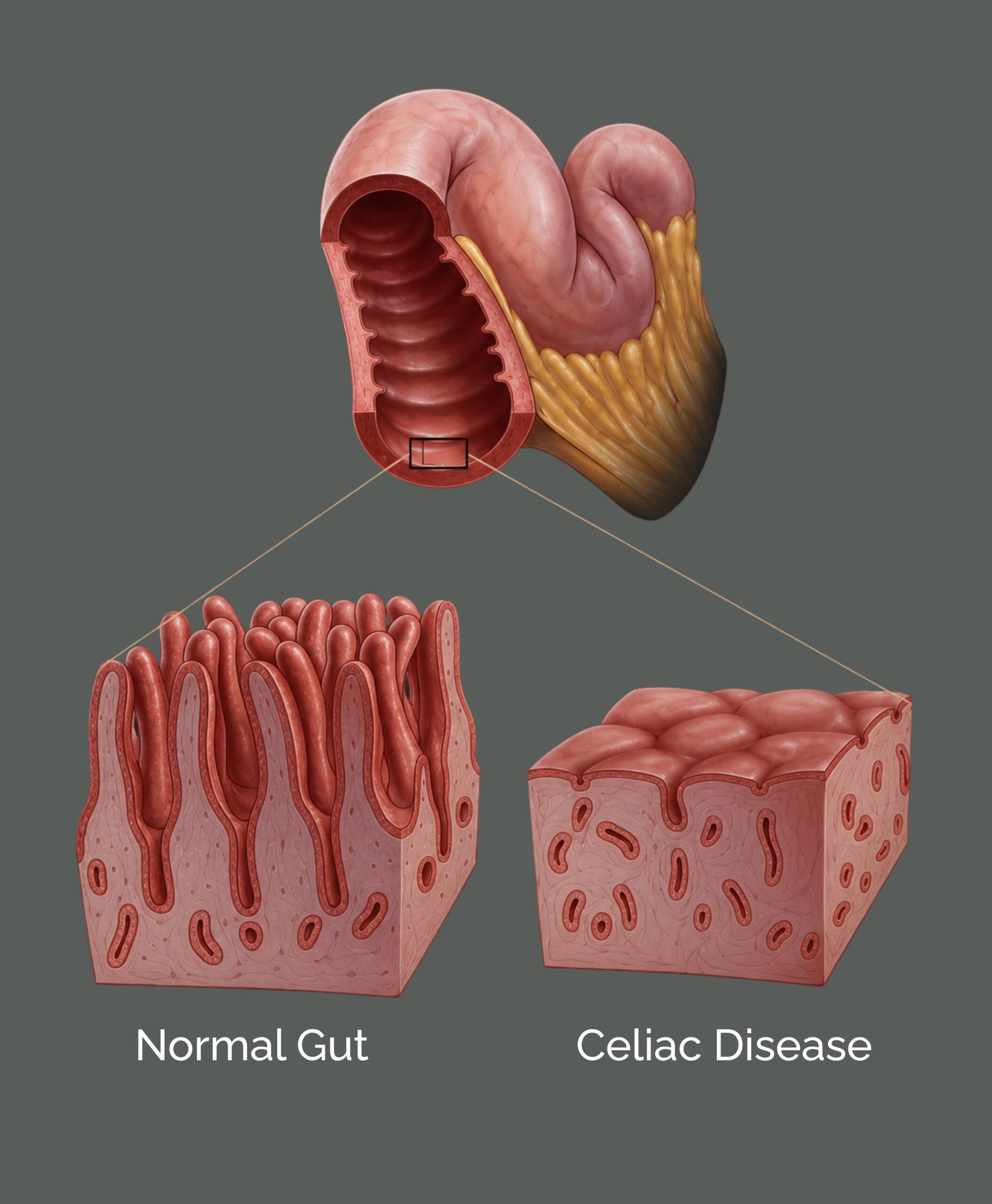
Celiac Disease is a chronic autoimmune disorder in which the immune system reacts abnormally to gluten — a protein found in wheat, barley, and rye.
When individuals with celiac disease consume gluten, the immune system attacks the lining of the small intestine, causing inflammation and damage to the intestinal villi, which are responsible for absorbing nutrients.
Over time, this can lead to nutritional deficiencies, digestive problems, fatigue, and other health complications if left untreated.
Celiac disease can affect both children and adults and may present with digestive as well as non-digestive symptoms.
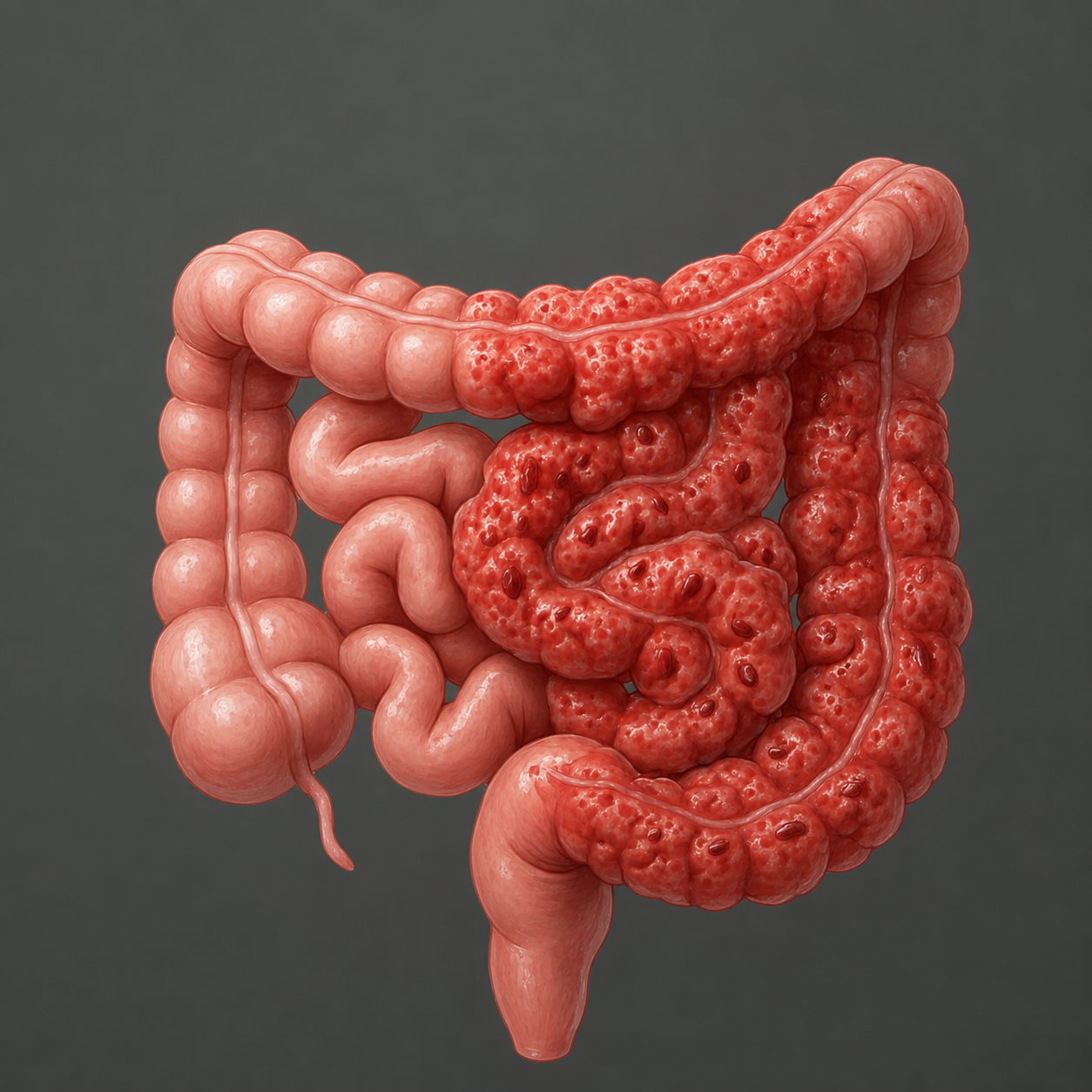
Crohn’s Disease is a chronic inflammatory bowel disease (IBD) that causes ongoing inflammation in the digestive tract. It can affect any part of the gastrointestinal system, from the mouth to the anus, but most commonly affects the small intestine and colon.
The inflammation caused by Crohn’s disease can extend deep into the layers of the bowel wall, leading to pain, digestive complications, and long-term discomfort if left untreated.
Crohn’s disease is a lifelong condition that typically alternates between periods of flare-ups and remission.
The liver is one of the most important organs in the body, responsible for hundreds of vital functions that support overall health and wellbeing.
It plays a key role in:
Detoxifying the body
Processing nutrients
Producing bile for digestion
Regulating blood sugar
Storing vitamins and minerals
Supporting metabolism
Filtering toxins and medications
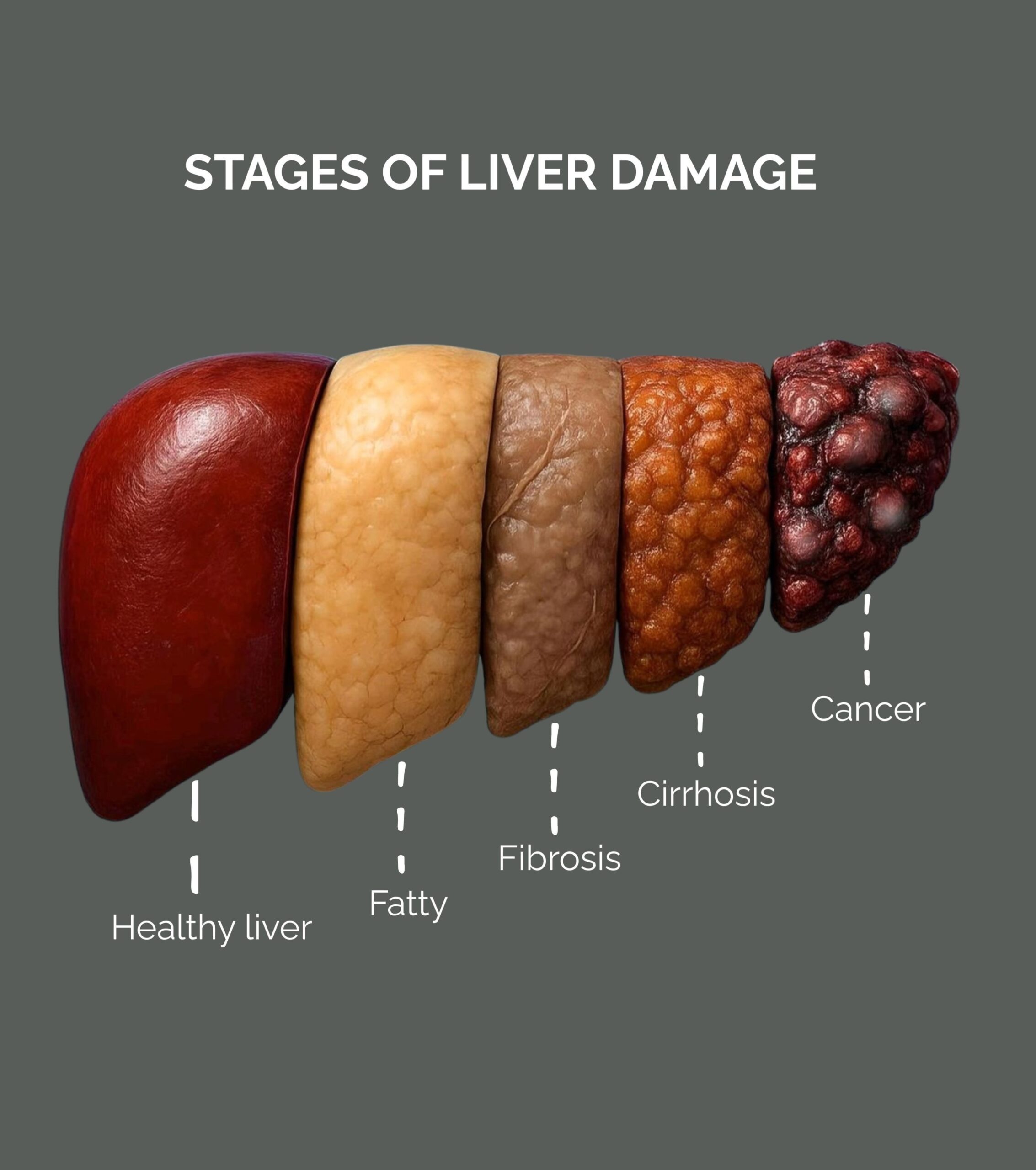
Despite its importance, liver disease is often called a “silent disease” because many liver conditions develop gradually without noticeable symptoms in the early stages.
By the time symptoms appear, significant liver damage may have already occurred.