
Irritable Bowel Syndrome (IBS) Treatment
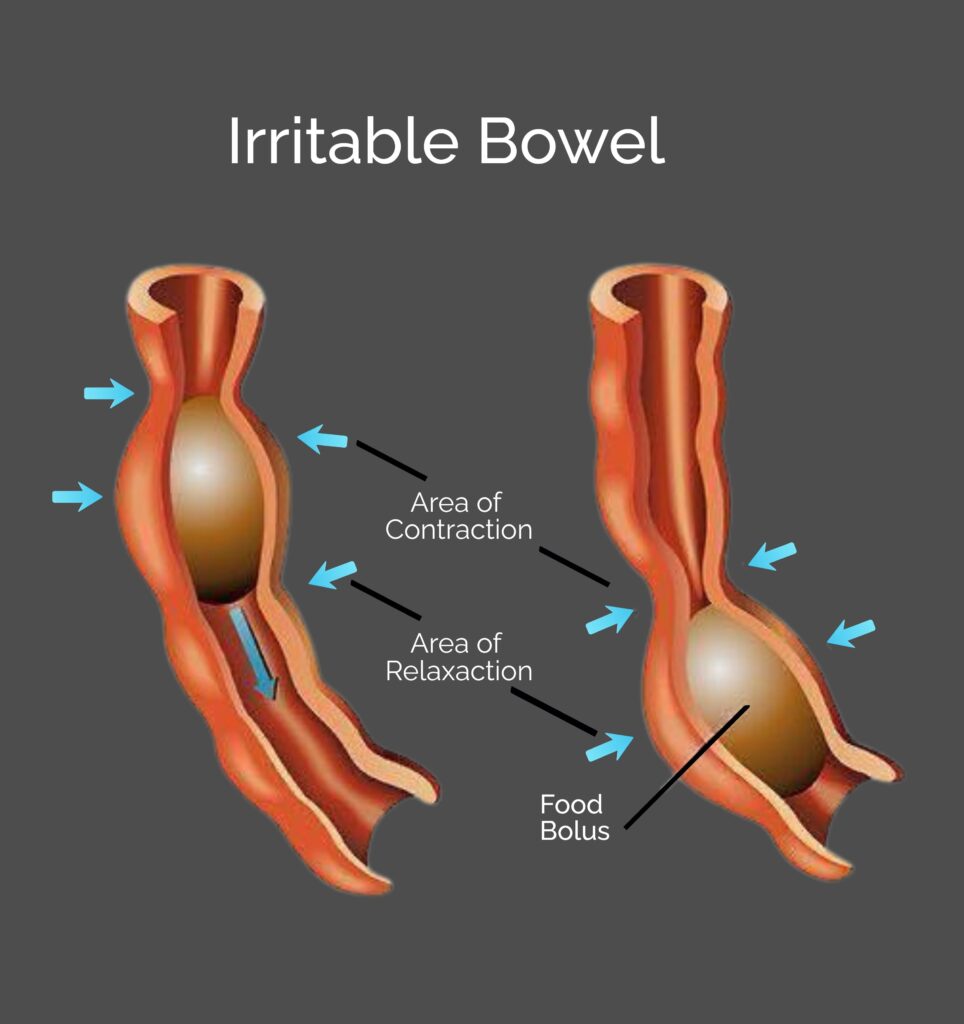
Irritable Bowel Syndrome (IBS) is a common functional digestive disorder that affects the large intestine and impacts how the bowel functions
What Is Irritable Bowel Syndrome (IBS)?
Irritable Bowel Syndrome (IBS) is a common functional digestive disorder that affects the large intestine and impacts how the bowel functions. It is a long-term condition that can cause recurring abdominal discomfort and changes in bowel habits.
Although IBS does not cause permanent damage to the intestines, it can significantly affect quality of life, daily comfort, eating habits, and emotional well-being.
IBS is a very common condition affecting both men and women and is often associated with stress, diet, lifestyle, and gut sensitivity.
Common Symptoms of IBS
Symptoms may vary from person to person and can range from mild to severe.
Common IBS symptoms include:
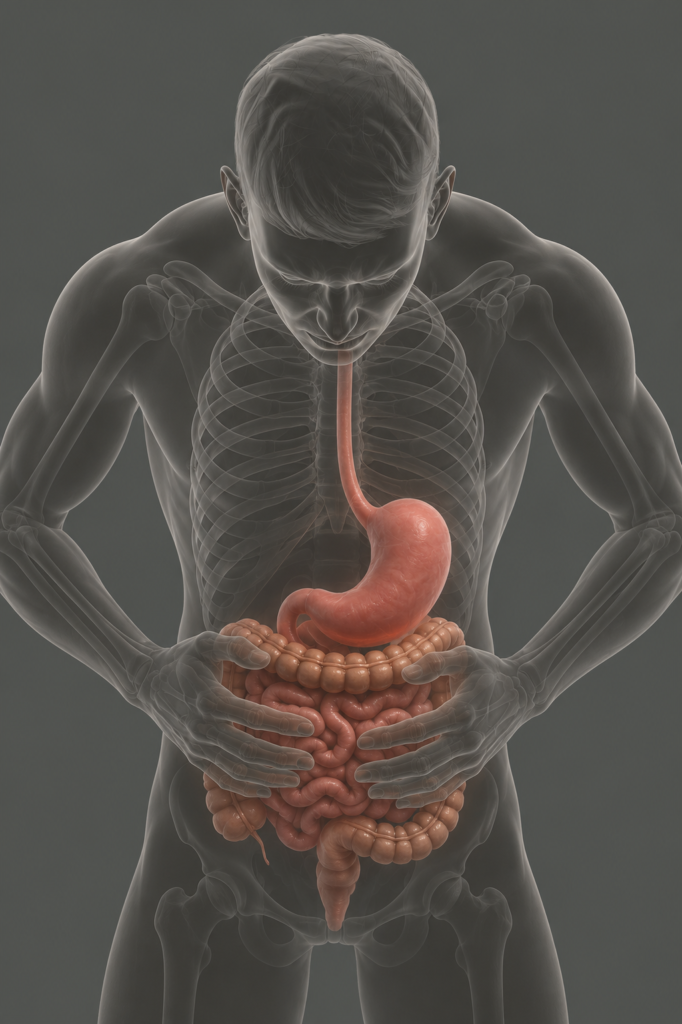
- Abdominal pain or cramping
- Bloating and abdominal distension
- Excessive gas
- Constipation
- Diarrhea
- Alternating constipation and diarrhea
- Urgency to use the bathroom
- Feeling of incomplete bowel emptying
- Mucus in stool
- Digestive discomfort after eating
Symptoms often come and go and may worsen during periods of stress or after certain foods.
Types of IBS
IBS with Constipation (IBS-C)
Patients mainly experience:
- Hard stools
- Infrequent bowel movements
- Abdominal discomfort
- Bloating
IBS with Diarrhea (IBS-D)
Patients mainly experience:
- Frequent loose stools
- Urgency
- Abdominal cramps
- Increased bowel movements
Mixed IBS (IBS-M)
Patients experience alternating constipation and diarrhea.
Comprehensive Gastrointestinal Evaluation
If symptoms are severe or persistent, additional investigations may be recommended to rule out:
- Inflammatory bowel disease
- Colon polyps
- Food intolerances
- Celiac disease
- Gastrointestinal infections
Benefits of IBS Management at Swift
- Personalized treatment plans
- Comprehensive digestive evaluation
- Expert gastroenterology specialists
- Advanced diagnostic technology
- Focus on long-term symptom control
- Patient-centered care
- Lifestyle and nutritional support
Living with IBS
Many patients successfully manage IBS with the right combination of:
- Diet modifications
- Stress management
- Medical support
- Lifestyle adjustments
Early diagnosis and proper management can greatly improve quality of life and daily comfort.
Why Choose Swift Day Surgery Center?
Expert Gastroenterology Specialists
Our experienced gastroenterologists provide comprehensive diagnosis and treatment for IBS and digestive disorders.
Personalized Care Approach
We understand that IBS affects every patient differently. Our treatment plans are customized according to individual symptoms and lifestyle.
Advanced Diagnostic Services
We offer:
- Colonoscopy
- Endoscopy
- Digestive evaluations
- Comprehensive gastrointestinal assessments
Patient-Focused Experience
We prioritize:
- Comfort
- Privacy
- Long-term symptom management
- Compassionate care
- Clear communication
Causes & Triggers of IBS
The exact cause of IBS is not fully understood; however, several factors may contribute to the condition.
Common IBS triggers include:
- Stress and anxiety
- Certain foods
- Hormonal changes
- Gut sensitivity
- Digestive infections
- Poor sleep
- Lifestyle habits
- Food intolerances
- Irregular eating patterns
Foods that commonly trigger IBS symptoms may include:
- Spicy foods
- Dairy products
- Caffeine
- Fried foods
- Artificial sweeteners
- Carbonated beverages
Symptoms That Should Not Be Ignored
Although IBS itself is not dangerous, some symptoms may indicate other gastrointestinal conditions and require immediate medical evaluation.
Please seek medical attention if you experience:
- Blood in stool
- Unexplained weight loss
- Severe abdominal pain
- Persistent vomiting
- Fever
- Anemia
- Symptoms waking you during sleep
How IBS Is Diagnosed
At Swift Day Surgery Center, our gastroenterology specialists perform a comprehensive evaluation to accurately diagnose IBS and rule out other digestive disorders.
Diagnostic assessment may include:
- Detailed medical history
- Physical examination
- Blood tests
- Stool analysis
- Colonoscopy if required
- Endoscopy if indicated
- Food intolerance evaluation
There is no single test for IBS, so diagnosis is based on symptoms, medical history, and exclusion of other conditions.
IBS Treatment at Swift Day Surgery Center
IBS management focuses on controlling symptoms, improving digestive health, and enhancing quality of life.
Treatment plans are personalized based on the patient’s symptoms and IBS type.
Dietary & Nutritional Management
Our specialists may recommend:
- High-fiber dietary guidance
- Low FODMAP diet plans
- Identifying trigger foods
- Hydration support
- Meal planning strategies
Dietary modifications can significantly improve IBS symptoms in many patients.
Lifestyle Modifications
Lifestyle changes may include:
- Stress management
- Regular physical activity
- Sleep improvement
- Healthy bowel habits
- Reducing caffeine and processed foods
Medication Management
Depending on symptoms, treatment may include:
- Anti-spasmodic medications
- Medications for constipation
- Anti-diarrheal medications
- Probiotics
- Gut health support therapies
FREQUENTLY ASKED QUESTIONS
Is IBS dangerous?
IBS is not considered life-threatening and does not cause permanent damage to the intestines. However, it can significantly affect quality of life if left unmanaged.
Can IBS be cured permanently?
There is currently no permanent cure for IBS, but symptoms can be effectively controlled with proper treatment and lifestyle modifications.
Can stress worsen IBS symptoms?
Yes. Stress and anxiety are among the most common triggers for IBS flare-ups.
What foods should IBS patients avoid?
This varies from person to person, but common trigger foods include spicy foods, dairy, caffeine, fried foods, and carbonated drinks.
Is colonoscopy necessary for IBS?
Not always. However, your doctor may recommend colonoscopy if symptoms are severe, persistent, or associated with warning signs such as bleeding or weight loss.
Can IBS cause both constipation and diarrhea?
Yes. Some patients experience alternating constipation and diarrhea, known as Mixed IBS (IBS-M).
Take the Next Step
If you are experiencing persistent bloating, abdominal discomfort, constipation, diarrhea, or changes in bowel habits, our gastroenterology specialists are here to help.
At Swift Day Surgery Center, we provide personalized IBS management using advanced diagnostic technology and patient-focused care to help you regain digestive comfort and improve your quality of life.
Book your consultation today and take the first step toward better digestive health.