
Liver Health – Understanding the Silent Disease
The liver is one of the most important organs in the body, responsible for hundreds of vital functions that support overall health and wellbeing.
Why Is Liver Health Important?
The liver is one of the most important organs in the body, responsible for hundreds of vital functions that support overall health and wellbeing.
It plays a key role in:
- Detoxifying the body
- Processing nutrients
- Producing bile for digestion
- Regulating blood sugar
- Storing vitamins and minerals
- Supporting metabolism
- Filtering toxins and medications
Despite its importance, liver disease is often called a “silent disease” because many liver conditions develop gradually without noticeable symptoms in the early stages.
By the time symptoms appear, significant liver damage may have already occurred.
What Is Silent Liver Disease?
Silent liver disease refers to liver conditions that progress quietly over time with little or no early warning signs.
Many patients remain unaware they have liver disease until it is detected during routine blood tests, imaging scans, or advanced medical evaluations.
Early diagnosis is essential to prevent complications and preserve liver function.
Common Liver Conditions
At Swift Day Surgery Center, our gastroenterology specialists diagnose and manage a wide range of liver conditions, including:
- Fatty Liver Disease (NAFLD)
- Alcohol-related liver disease
- Hepatitis
- Liver inflammation
- Liver fibrosis
- Cirrhosis
- Elevated liver enzymes
- Metabolic liver disease
- Medication-related liver injury
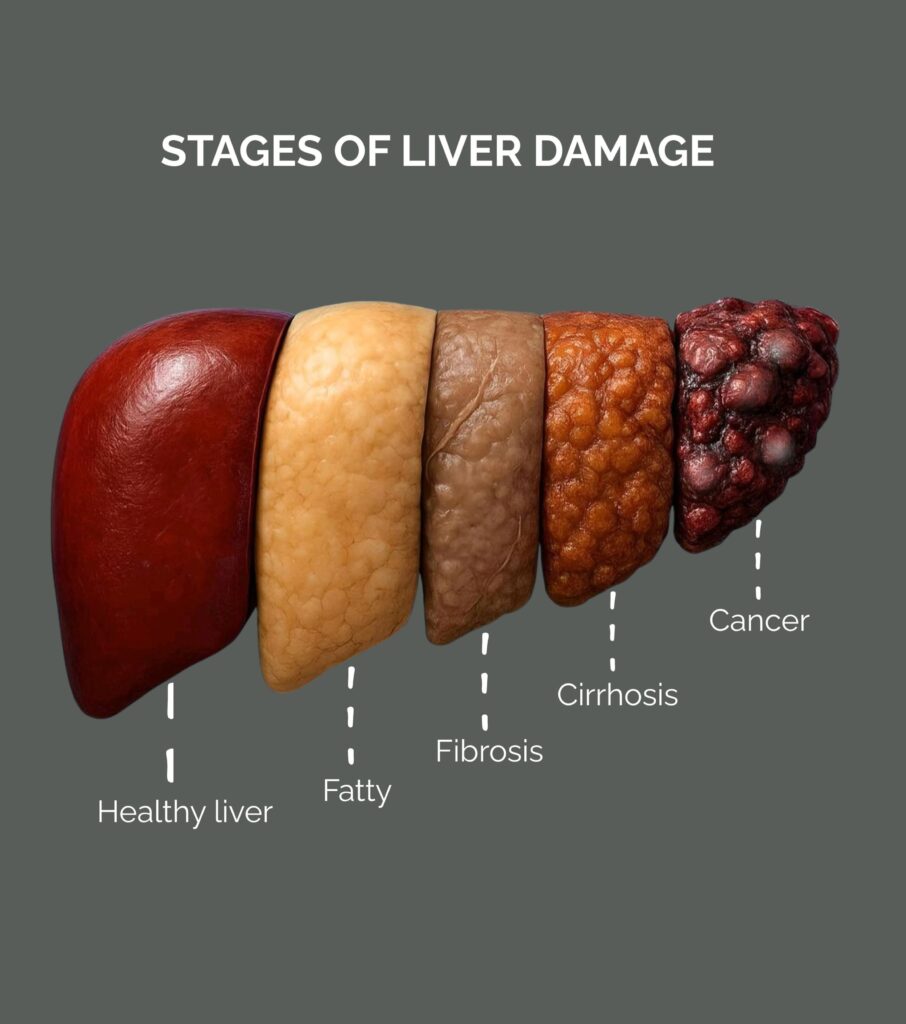
Fatty Liver Disease (NAFLD)
What Is Fatty Liver Disease?
Non-Alcoholic Fatty Liver Disease (NAFLD) occurs when excess fat builds up in the liver in individuals who consume little or no alcohol.
It is one of the most common liver conditions worldwide and is strongly associated with:
- Obesity
- Diabetes
- High cholesterol
- Poor diet
- Sedentary lifestyle
If untreated, fatty liver disease may progress to liver inflammation, fibrosis, and cirrhosis.
Signs & Symptoms of Liver Disease
In the early stages, many liver diseases may not cause symptoms.
As the condition progresses, symptoms may include:
- Fatigue
- Abdominal discomfort
- Bloating
- Unexplained weight changes
- Loss of appetite
- Nausea
- Weakness
- Yellowing of the skin or eyes (jaundice)
- Dark urine
- Swelling in the abdomen or legs
Because symptoms can be subtle or delayed, regular screening and early evaluation are important.
Risk Factors for Liver Disease
Several factors may increase the risk of liver disease, including:
- Obesity
- Diabetes
- High cholesterol
- Alcohol consumption
- Smoking
- Poor dietary habits
- Viral hepatitis
- Family history of liver disease
- Certain medications
- Sedentary lifestyle
Why Early Detection Matters
Liver disease can progress silently for years before symptoms appear.
Early diagnosis allows:
- Prevention of permanent liver damage
- Better treatment outcomes
- Reversal of fatty liver in early stages
- Reduced risk of cirrhosis and liver failure
- Improved long-term health
Routine health checkups and liver assessments are essential, especially for high-risk individuals.
Liver Health Evaluation at Swift Day Surgery Center
At Swift Day Surgery Center, our gastroenterology specialists provide comprehensive liver evaluations using advanced diagnostic tools and personalized care.
Assessment may include:
Blood Tests
Liver function tests help evaluate:
- Liver enzymes
- Inflammation
- Liver performance
- Possible infection or damage
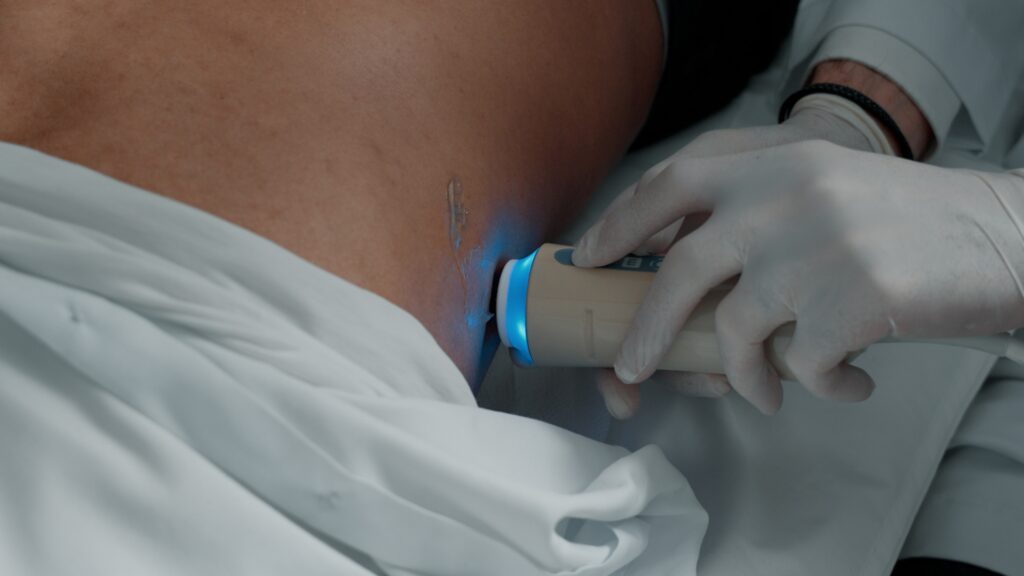
Ultrasound Imaging
Liver ultrasound helps detect:
- Fat accumulation
- Liver enlargement
- Inflammation
- Structural abnormalities
Fibrosis Assessment
Advanced assessments may help determine the degree of liver scarring or fibrosis.
Comprehensive Medical Evaluation
Our specialists assess:
- Lifestyle habits
- Nutritional factors
- Metabolic health
- Family history
- Existing medical conditions
Treatment & Liver Health Management
Treatment depends on the underlying liver condition and stage of disease.
Lifestyle & Dietary Management
Many liver conditions improve significantly with lifestyle changes, including:
- Healthy weight management
- Balanced nutrition
- Regular physical activity
- Reducing sugar and processed foods
- Limiting alcohol intake
- Smoking cessation
Medical Management
Depending on the condition, treatment may include:
- Medications
- Monitoring liver function
- Management of diabetes or cholesterol
- Nutritional supplementation
- Regular follow-up evaluations
Preventing Liver Disease
Protecting liver health starts with prevention.
Healthy habits include:
- Maintaining a healthy weight
- Eating a balanced diet
- Regular exercise
- Avoiding excessive alcohol
- Staying hydrated
- Managing diabetes and cholesterol
- Routine health screenings
Benefits of Liver Health Care at Swift
- Expert gastroenterology specialists
- Comprehensive liver evaluations
- Advanced diagnostic technology
- Personalized treatment plans
- Early detection and prevention strategies
- Long-term monitoring and follow-up
- Patient-centered care
Why Choose Swift Day Surgery Center?
Experienced Gastroenterology Team
Our specialists are experienced in diagnosing and managing a wide range of liver and digestive disorders.
Advanced Diagnostic Services
We offer:
- Liver function testing
- Ultrasound imaging
- Comprehensive gastrointestinal evaluations
- Personalized liver health assessments
Preventive & Long-Term Care
We focus on:
- Early diagnosis
- Disease prevention
- Lifestyle improvement
- Long-term liver health management
Modern Medical Facilities
Swift Day Surgery Center provides advanced facilities designed to deliver high-quality digestive and liver care.
FREQUENTLY ASKED QUESTIONS
Can liver disease exist without symptoms?
Yes. Many liver conditions develop silently without noticeable symptoms in the early stages.
Is fatty liver disease serious?
If left untreated, fatty liver disease may progress to liver inflammation, fibrosis, or cirrhosis.
Can fatty liver be reversed?
Yes. Early-stage fatty liver disease can often improve or reverse with proper lifestyle and dietary changes.
Who should get their liver checked?
Individuals with obesity, diabetes, high cholesterol, alcohol use, or family history of liver disease should undergo regular liver evaluations.
Are liver function tests important?
Yes. Liver blood tests help detect inflammation, liver damage, and abnormalities early.
Can diet affect liver health?
Absolutely. Diet plays a major role in liver function and overall digestive health.
Take the Next Step
Your liver works silently every day to protect your body — and liver disease can also progress silently without warning signs.
At Swift Day Surgery Center, our specialists provide comprehensive liver health evaluations, early detection, and personalized treatment plans to help protect your long-term wellbeing.
Book your consultation today and take the first step toward better liver health and preventive care.