
Crohn’s Disease Treatment & Management
Crohn’s Disease is a chronic inflammatory bowel disease (IBD) that causes ongoing inflammation in the digestive tract.
What Is Crohn’s Disease?
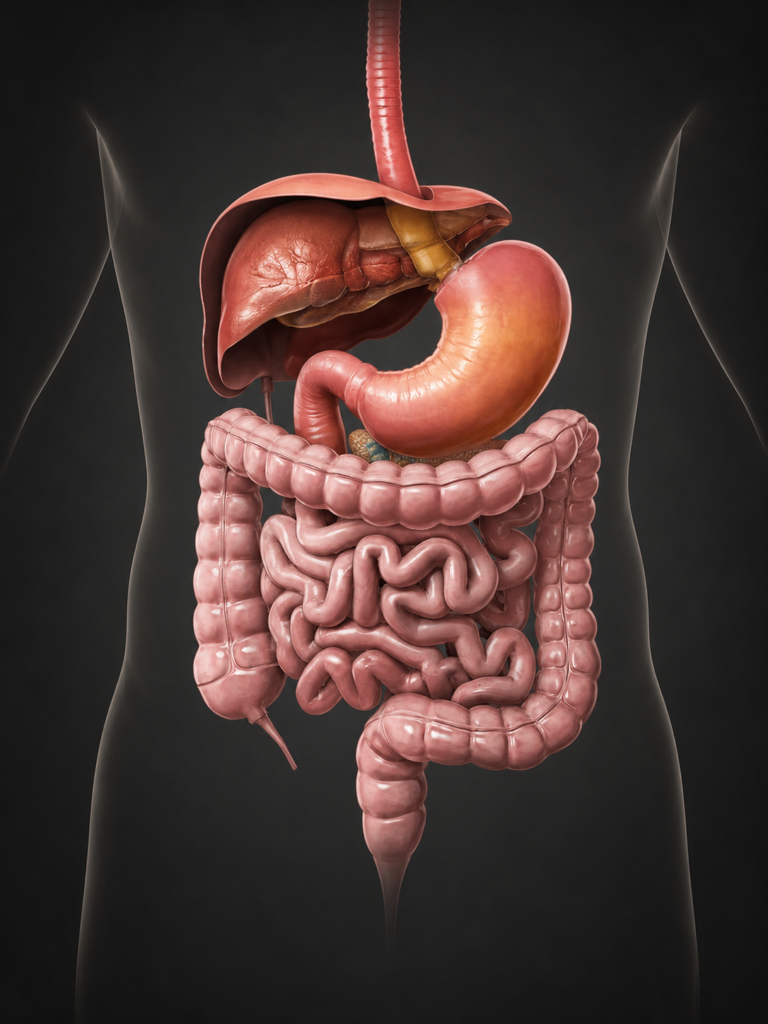
Crohn’s Disease is a chronic inflammatory bowel disease (IBD) that causes ongoing inflammation in the digestive tract. It can affect any part of the gastrointestinal system, from the mouth to the anus, but most commonly affects the small intestine and colon.
The inflammation caused by Crohn’s disease can extend deep into the layers of the bowel wall, leading to pain, digestive complications, and long-term discomfort if left untreated.
Crohn’s disease is a lifelong condition that typically alternates between periods of flare-ups and remission.
What Is Crohn’s Disease?
Crohn’s Disease is a chronic inflammatory bowel disease (IBD) that causes ongoing inflammation in the digestive tract. It can affect any part of the gastrointestinal system, from the mouth to the anus, but most commonly affects the small intestine and colon.
The inflammation caused by Crohn’s disease can extend deep into the layers of the bowel wall, leading to pain, digestive complications, and long-term discomfort if left untreated.
Crohn’s disease is a lifelong condition that typically alternates between periods of flare-ups and remission.
Causes of Crohn’s Disease
The exact cause of Crohn’s disease is not fully understood; however, several factors may contribute to its development, including:
- Immune system dysfunction
- Genetic predisposition
- Family history
- Environmental factors
- Smoking
- Gut bacteria imbalance
- Stress and lifestyle factors
Crohn’s disease is not contagious and is considered an autoimmune-related condition.
Symptoms of Crohn’s Disease
Symptoms can vary depending on the severity and location of inflammation within the digestive tract.
Common symptoms include:
- Chronic diarrhea
- Abdominal pain and cramping
- Blood in stool
- Fatigue
- Weight loss
- Loss of appetite
- Bloating
- Fever
- Urgency to use the bathroom
- Mouth ulcers
- Nausea
- Anemia
Symptoms may develop gradually or suddenly and can range from mild to severe.
Complications of Crohn’s Disease
If left untreated, Crohn’s disease may lead to serious complications, including:
- Intestinal blockage
- Fistulas
- Abscesses
- Malnutrition
- Severe dehydration
- Anemia
- Anal fissures
- Bowel perforation
- Increased risk of colon cancer
- Joint inflammation
- Skin and eye inflammation
Early diagnosis and proper management are essential to reduce complications and improve quality of life.
Types of Crohn’s Disease
Crohn’s disease can affect different parts of the digestive tract.
Ileocolitis
The most common form, affecting the small intestine and colon.
Ileitis
Affects the small intestine (ileum).
Crohn’s Colitis
Affects only the colon.
Gastroduodenal Crohn’s Disease
Affects the stomach and upper small intestine.
Jejunoileitis
Causes patchy inflammation in the small intestine.
How Is Crohn’s Disease Diagnosed?
At Swift Day Surgery Center, our gastroenterology specialists provide comprehensive evaluation and advanced diagnostic testing for Crohn’s disease.
Diagnostic assessment may include:
Colonoscopy
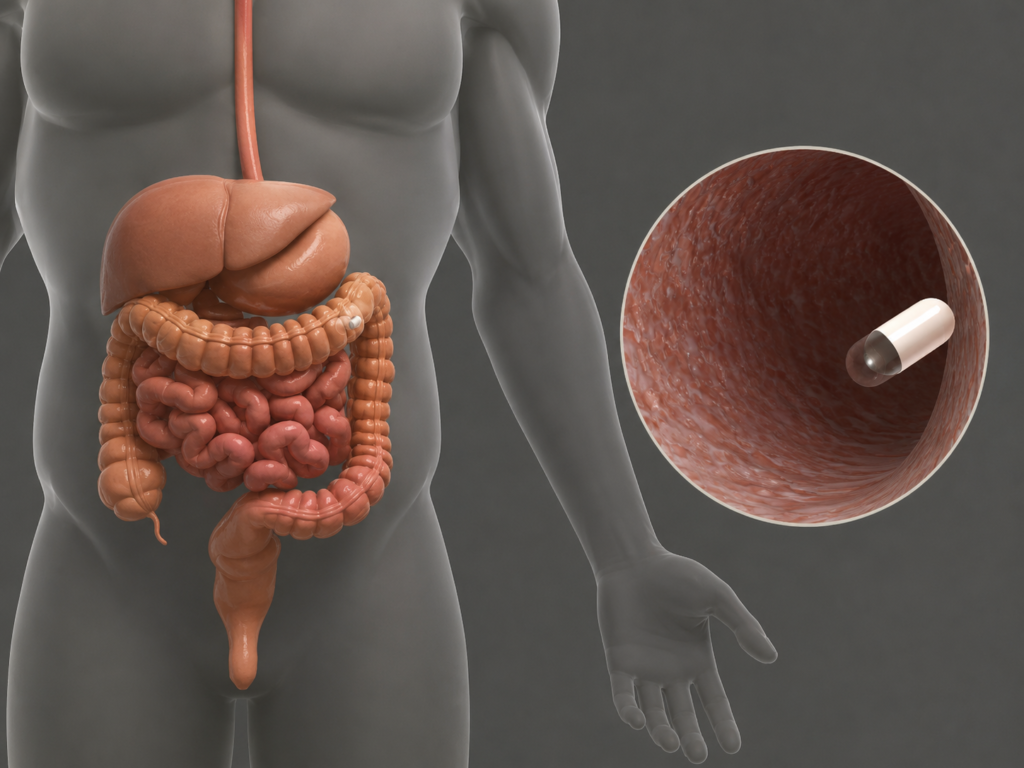
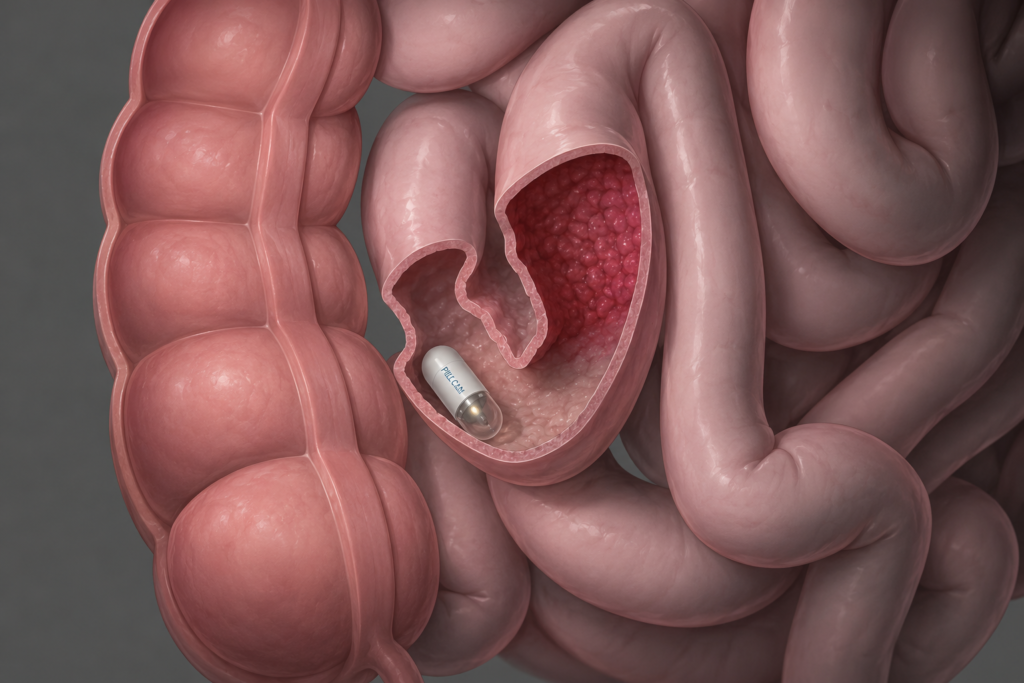
A colonoscopy allows direct visualization of the colon and lower intestine to identify inflammation, ulcers, bleeding, and tissue damage.
Biopsies may also be taken for laboratory analysis.
Upper GI Endoscopy
Endoscopy may be used if upper digestive tract involvement is suspected.
Blood Tests
Blood tests help evaluate:
- Inflammation
- Anemia
- Nutritional deficiencies
- Infection markers
Stool Analysis
Stool testing may help rule out infections and assess inflammation.
Imaging Studies
Advanced imaging such as CT scans or MRI may be recommended to evaluate complications and intestinal involvement.
Treatment for Crohn’s Disease
Although there is currently no permanent cure for Crohn’s disease, proper treatment can significantly control symptoms and improve quality of life.
Treatment plans are personalized based on disease severity and patient needs.
Medication Management
Treatment may include:
- Anti-inflammatory medications
- Immune system suppressors
- Biologic therapies
- Antibiotics
- Medications for symptom relief
The goal is to reduce inflammation and maintain remission.
Nutritional & Lifestyle Support
Dietary and lifestyle modifications play an important role in managing Crohn’s disease.
Our specialists may recommend:
- Nutritional counseling
- Identifying trigger foods
- Hydration support
- Stress management
- Vitamin supplementation
- Specialized dietary plans
Monitoring & Long-Term Care
Regular follow-up is essential to:
- Monitor disease activity
- Prevent complications
- Assess treatment response
- Improve long-term digestive health
Patients with Crohn’s disease benefit from ongoing gastroenterology care and periodic evaluations.
Living with Crohn’s Disease
With proper medical care and lifestyle management, many patients with Crohn’s disease are able to maintain an active and healthy life.
Managing stress, following treatment plans, and maintaining regular follow-up appointments are key components of long-term disease control.
Benefits of Crohn’s Disease Care at Swift
- Expert gastroenterology specialists
- Comprehensive digestive evaluations
- Advanced colonoscopy and endoscopy services
- Personalized treatment plans
- Long-term disease monitoring
- Nutritional and lifestyle support
- Patient-centered care
Why Choose Swift Day Surgery Center?
Experienced Gastroenterology Team
Our specialists are experienced in diagnosing and managing inflammatory bowel diseases, including Crohn’s disease.
Advanced Diagnostic Technology
We offer:
- High-definition colonoscopy
- Upper GI endoscopy
- Advanced gastrointestinal imaging
- Comprehensive laboratory testing
Personalized Patient Care
We focus on:
- Accurate diagnosis
- Long-term symptom management
- Reducing flare-ups
- Improving quality of life
- Compassionate patient support
Modern Medical Facilities
Swift Day Surgery Center provides advanced facilities and technology designed to deliver high-quality gastrointestinal care.
FREQUENTLY ASKED QUESTIONS
Is Crohn’s disease curable?
Currently, there is no permanent cure for Crohn’s disease, but proper treatment can effectively manage symptoms and reduce flare-ups.
Is Crohn’s disease dangerous?
If left untreated, Crohn’s disease may lead to serious digestive complications. Early diagnosis and ongoing management are important.
Can Crohn’s disease cause weight loss?
Yes. Inflammation and poor nutrient absorption may lead to weight loss and nutritional deficiencies.
What foods should be avoided?
Trigger foods vary between individuals, but some patients may need to avoid spicy foods, high-fat foods, dairy products, or high-fiber foods during flare-ups.
Is colonoscopy necessary for diagnosis?
Yes. Colonoscopy is one of the primary tools used to diagnose and monitor Crohn’s disease.
Can stress worsen Crohn’s disease?
Stress does not directly cause Crohn’s disease, but it may worsen symptoms and trigger flare-ups.
Take the Next Step
If you are experiencing persistent digestive symptoms such as abdominal pain, chronic diarrhea, bloating, weight loss, or blood in stool, our specialists are here to help.
At Swift Day Surgery Center, we provide comprehensive diagnosis and personalized treatment for Crohn’s disease using advanced gastroenterology technology and patient-focused care.
Book your consultation today and take the first step toward better digestive health and long-term wellness.