
Functional Gynecology
Functional gynecology focuses on improving intimate health, comfort, and function through personalized treatments.
Functional gynecology
Many intimate concerns are medical rather than cosmetic and can significantly affect a woman’s comfort, confidence, relationships, and quality of life. Our Functional Gynecology program focuses on diagnosing and treating these conditions using evidence-based medical, regenerative, minimally invasive, and surgical approaches when appropriate.
Our goal is to restore normal function while improving long-term intimate health and overall wellbeing.
Menopause & Perimenopause Management
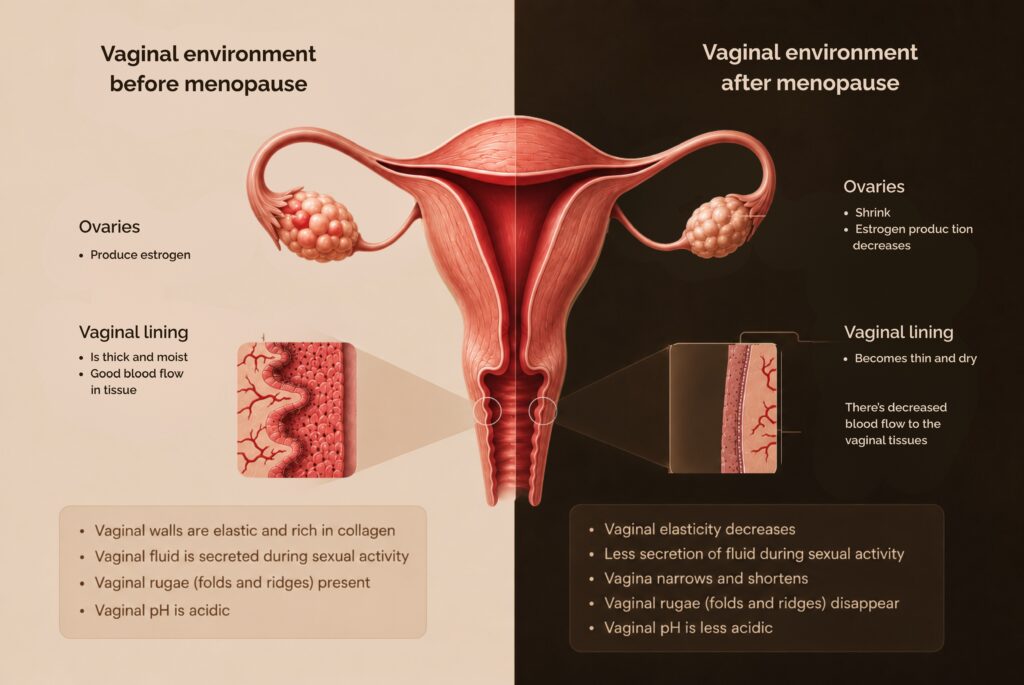
Hormonal changes during perimenopause and menopause can affect intimate health in many ways, including vaginal dryness, reduced elasticity, urinary symptoms, decreased libido, and discomfort during intimacy.
Our personalized treatment plans may combine lifestyle recommendations, hormonal management when appropriate, regenerative therapies, pelvic floor rehabilitation, and advanced technologies such as LaEvita® Laser Therapy to restore tissue health, comfort, and quality of life.
Vaginal Dryness
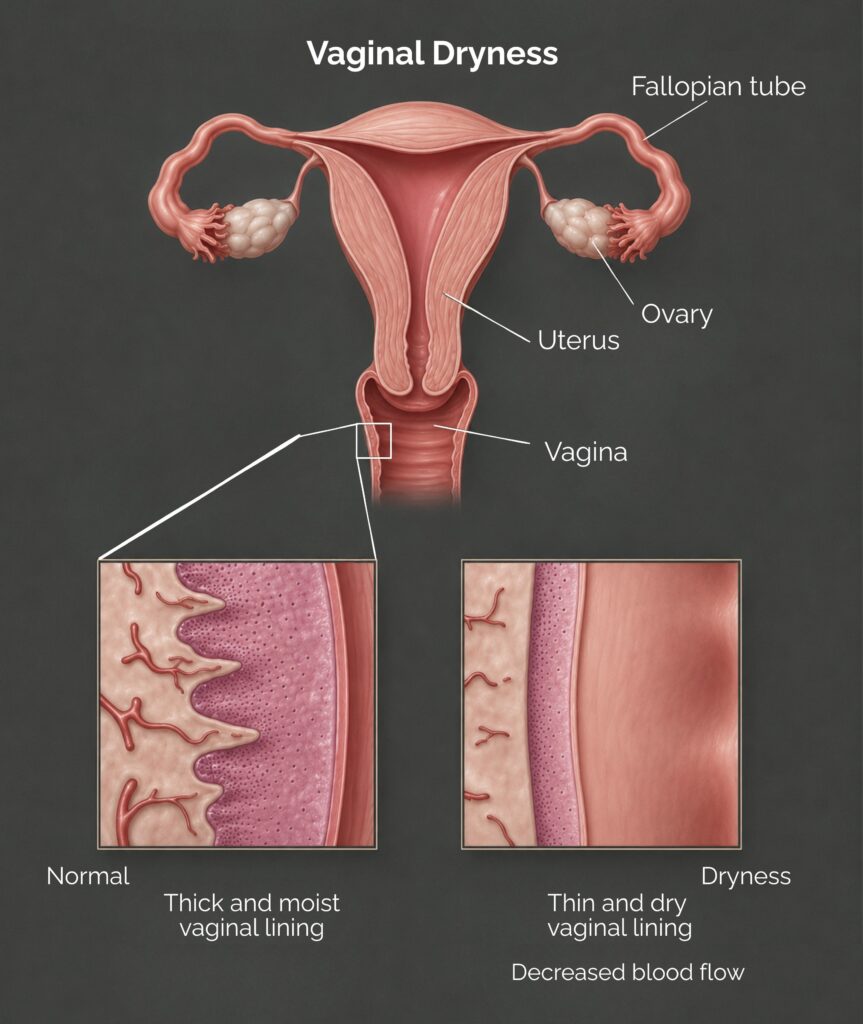
Vaginal dryness is a common condition that may occur due to menopause, hormonal changes, breastfeeding, certain medications, or aging. It can cause irritation, burning, discomfort during intimacy, and recurrent infections.
Treatment options are individualized and may include regenerative therapies, laser technology, hormonal support when appropriate, and hydration-focused treatments to restore healthy vaginal tissues.
Treatment options may include
- LaEvita® Laser Therapy
- PRP Therapy
- Hormonal therapies (when appropriate)
- Regenerative treatments
- Personalized intimate wellness care
Vaginal Atrophy
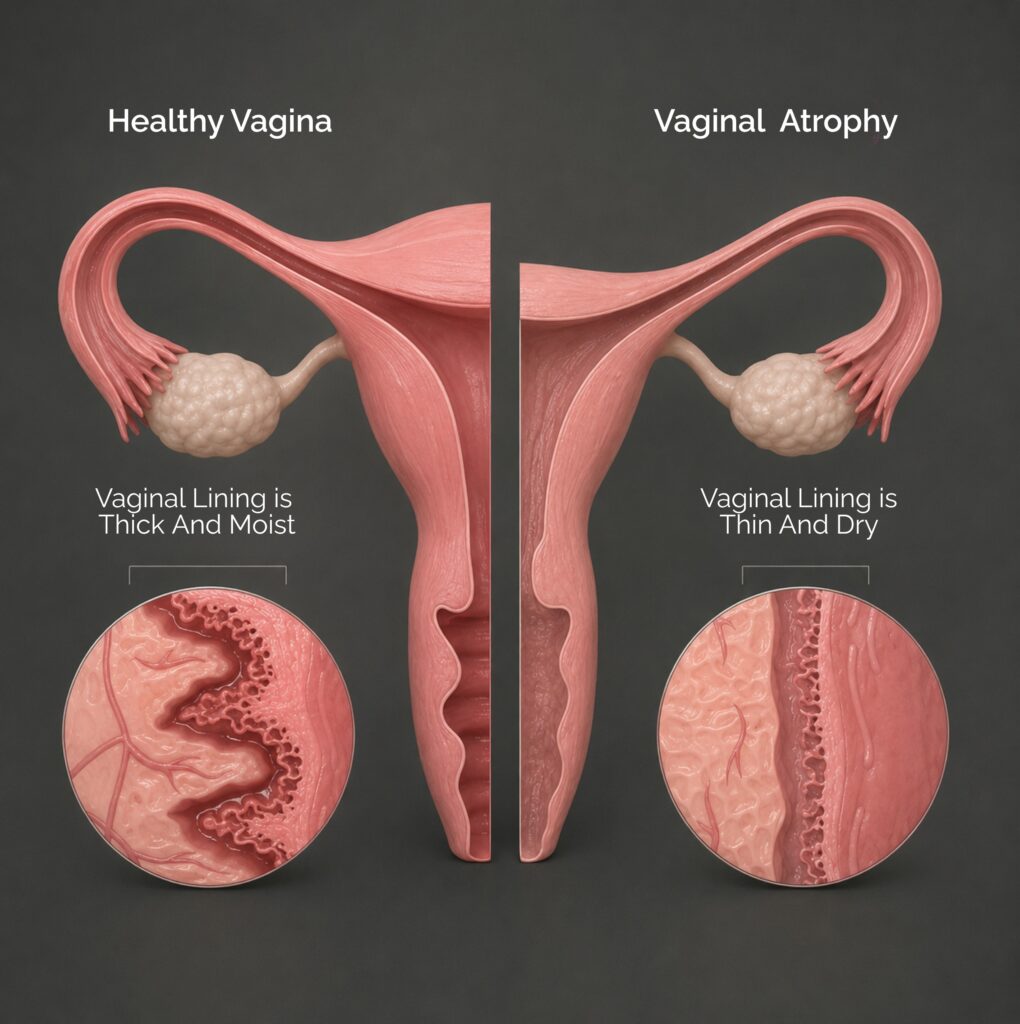
Vaginal atrophy is caused by reduced estrogen levels that lead to thinning, dryness, inflammation, and decreased elasticity of vaginal tissues. Without treatment, symptoms may progressively worsen and affect daily comfort and intimacy.
Our comprehensive treatment approach may include regenerative medicine, hormonal support, and LaEvita® Laser Therapy to improve tissue quality, hydration, elasticity, and overall vaginal health.
Pain During Intercourse (Dyspareunia)
Pain during intercourse can result from hormonal changes, vaginal dryness, pelvic floor dysfunction, previous childbirth, scarring, infections, or underlying gynecological conditions.
Our specialists perform a comprehensive evaluation to identify the underlying cause before developing a personalized treatment plan focused on restoring comfort and improving quality of life.
Treatment may include:
- Regenerative therapies
- Pelvic floor rehabilitation
- Hormonal management when appropriate
- Laser therapy
- Surgical correction when clinically indicated
Vaginismus
Vaginismus is a condition characterized by involuntary tightening of the pelvic floor muscles, making vaginal penetration painful or difficult. It can significantly affect physical and emotional wellbeing.
Our multidisciplinary approach combines medical assessment, pelvic floor rehabilitation, counseling when appropriate, and regenerative therapies to help women regain comfort and confidence.
Low Libido
Reduced sexual desire may be influenced by hormonal changes, menopause, chronic stress, medical conditions, reduced blood flow, or emotional wellbeing.
Following a comprehensive evaluation, treatment may include hormonal optimization when appropriate, regenerative medicine, vascular therapies, and personalized sexual wellness treatments aimed at improving overall intimate health.
Reduced Sexual Sensitivity
Changes in vaginal tissue quality, circulation, hormonal balance, or aging may reduce intimate sensation over time.
Depending on the underlying cause, treatment options may include regenerative therapies, PRP, O-Shot®, G-Spot Augmentation, Alma Duo®, and other individualized treatments designed to improve tissue health, blood flow, and intimate function.
Lichen Sclerosus
Lichen Sclerosus is a chronic inflammatory skin condition affecting the vulvar region. It may cause itching, discomfort, skin changes, pain, and scarring if left untreated.
Early diagnosis and ongoing management are essential to control symptoms, preserve healthy tissue, and improve long-term quality of life.
Treatment plans may include medical therapies, regenerative treatments, and long-term follow-up depending on the severity of the condition.